
The human brain is a complex and vital organ that is constantly exposed to different environmental factors that can affect its optimal functioning.
One of these factors is oxidative stress, which happens when there is an imbalance between the production of free radicals (molecules with unpaired electrons that can damage cells) and the body’s ability to neutralise them using antioxidants.
Although free radical generation is a normal part of cellular metabolism and contributes to essential physiological processes, excessive levels can have harmful effects on brain health.
Therefore, understanding how antioxidants can protect the brain from oxidative stress is crucial in maintaining cognitive function and reducing the risk of neurodegenerative diseases.
Due to its unique antioxidant properties, methylene blue has been identified as a potential therapeutic agent for mitigating oxidative stress in the brain.
This compound may be particularly beneficial in promoting mental acuity and combating age-related cognitive decline.
This article will explore the importance of antioxidants in preserving brain health and investigate how methylene blue could potentially contribute to this.
It will also examine relevant studies on the impact of methylene blue on various aspects of cognition and guide on incorporating it into one’s diet alongside other lifestyle changes aimed at enhancing overall neurological well-being.
Understanding Free Radicals and Oxidative Stress
Exploring the complex relationship between free radicals and oxidative stress provides valuable insights into maintaining optimal cognitive function and overall well-being.
Free radicals are highly reactive molecules with unpaired electrons that can damage cellular components, including DNA, proteins, and lipids.
Sources of free radicals include environmental factors (e.g., pollution, radiation, cigarette smoke, and certain drugs); physiological processes (e.g., inflammation and mitochondrial respiration); and lifestyle choices (e.g., poor diet or excessive alcohol consumption).
Oxidative stress occurs when there is an imbalance between the production of free radicals and the body’s ability to neutralise them through antioxidant defences.
Understanding strategies for preventing oxidative stress is essential for reducing potential harm caused by free radicals.
While the human body naturally produces some antioxidants, external sources play a vital role in boosting these defences.
Foods rich in vitamins C and E, beta-carotene, selenium, zinc, manganese, copper, glutathione peroxidase (GPx), catalase (CAT), superoxide dismutase (SOD), coenzyme Q10 (CoQ10), polyphenols, and flavonoids are all critical sources of antioxidants that help to protect cells from damage caused by free radicals.
Additionally, avoiding exposure to known sources of free radicals can significantly reduce levels of oxidative stress.
Research indicates that oxidative stress has been linked to various neurodegenerative diseases, such as Alzheimer’s disease (AD), Parkinson’s disease (PD), amyotrophic lateral sclerosis (ALS), and multiple sclerosis (MS), among others.
Therefore, it is imperative to understand how antioxidants can mitigate the detrimental effects of oxidative stress on brain health.
This understanding will pave the way for exploring additional therapeutic options aimed at improving cognitive function while offering protection against age-related decline in mental performance – one such promising compound being methylene blue.
The Role of Antioxidants in Brain Health
A recent study has shown that consuming 20% more antioxidants can significantly improve cognitive performance, indicating the importance of these substances in maintaining optimal brain function.
Antioxidants play a crucial role in neutralising free radicals and preventing oxidative stress, which can cause neuronal damage and cognitive decline as people age.
They also contribute to neuroprotection and synaptic plasticity, both of which are essential for learning and memory.
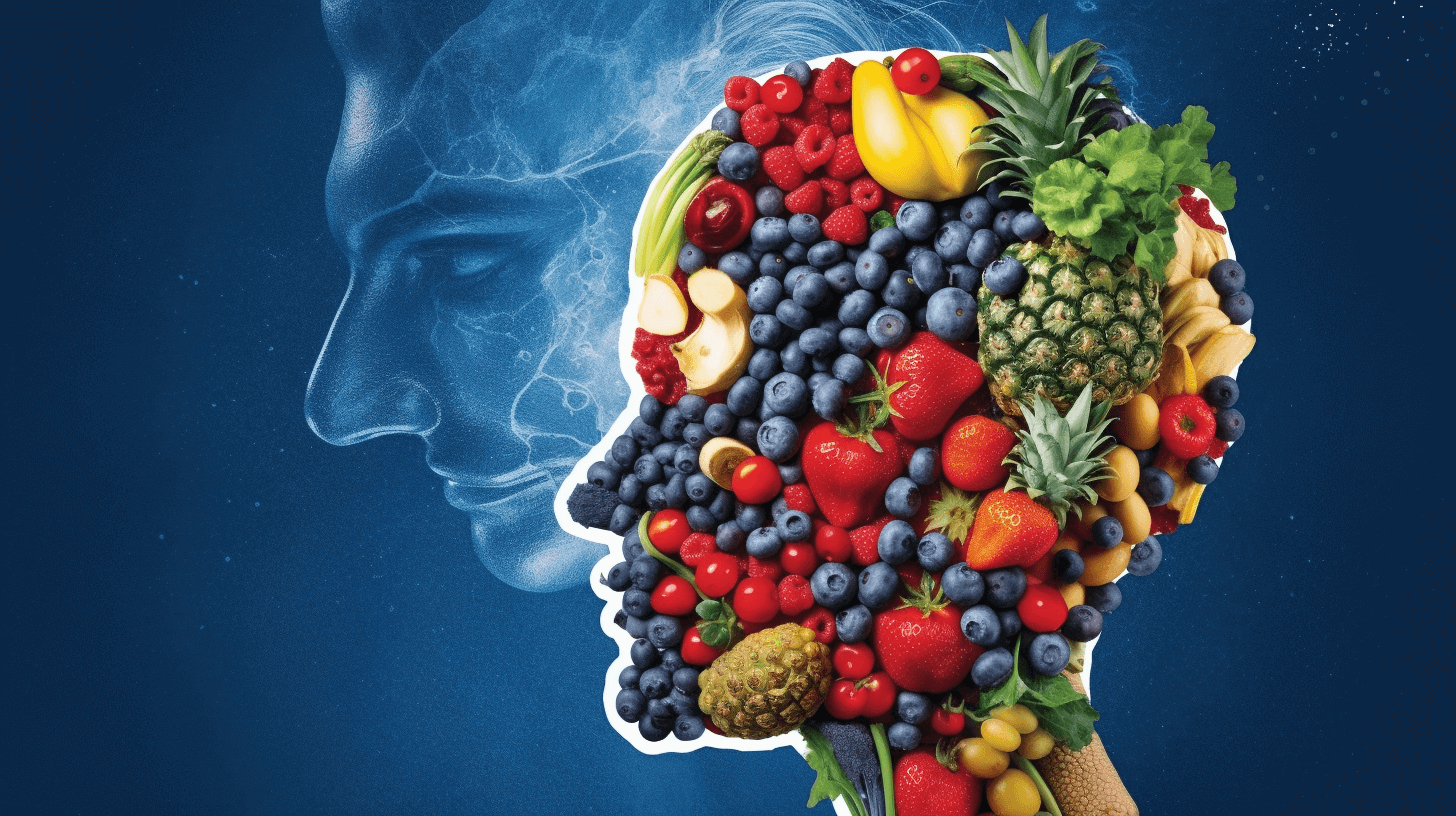
Antioxidants can be found in various sources, such as fruits (including berries like blueberries and strawberries, and grapes), vegetables (like leafy greens such as spinach and kale, peppers, and tomatoes), nuts and seeds (like almonds, walnuts, and sunflower seeds), and beverages (like green tea and red wine).
Brain-boosting foods include omega-3 fatty acids (found in fatty fish like salmon and flaxseeds), flavonoids (in dark chocolate and cocoa powder), and vitamin E and C-rich foods (like citrus fruits).
These antioxidant-rich foods protect the brain from damage and promote overall health by reducing inflammation and supporting cardiovascular health.
Incorporating such brain-boosting foods into one’s diet may improve focus and mental stamina while reducing the risk of neurodegenerative diseases such as Alzheimer’s or Parkinson’s disease.
To ensure adequate antioxidant intake for brain health benefits beyond direct consumption of these foods, it is also crucial to maintain a balanced diet that includes a variety of nutrient-dense foods and supports an active lifestyle.
As we explore common antioxidants for brain health in the next section, it becomes increasingly apparent that these compounds are vital for preserving cognitive function throughout life.
Common Antioxidants for Brain Health
Studying the most common antioxidant compounds that preserve cognitive function is important for elucidating their mechanisms and potential applications in promoting neurological well-being.
These antioxidants can be found in brain-boosting foods or taken through supplements.
Vitamin E and vitamin C, flavonoids, carotenoids, and omega-3 fatty acids are some of the most common antioxidants that positively impact brain health.
Vitamin E protects cell membranes from damage caused by free radicals and can be found in nuts, seeds, vegetable oils, and green leafy vegetables.
Vitamin C scavenges reactive oxygen species, reduces oxidative stress within neurons, and can be found in citrus fruits, berries, kiwis, bell peppers, and tomatoes.
Flavonoids are polyphenolic compounds found in many plant-based foods, including cocoa beans, tea leaves, grapes, blueberries, and strawberries.
Carotenoids, such as beta-carotene and lutein/zeaxanthin, are beneficial for maintaining healthy vision and have been linked to improved cognitive performance due to their antioxidant properties.
Omega-3 fatty acids are essential components of brain cell membranes and possess anti-inflammatory effects.
Although consuming these antioxidant-rich nutrients through food sources may suffice for some individuals seeking to enhance their cognitive health naturally, supplementation may be necessary for specific populations or when dietary intake alone does not meet recommended intake levels.
Antioxidant supplements are available on the market, including standalone products containing one or several key nutrients and comprehensive multivitamins designed to provide a balanced intake of vitamins, minerals, and other essential compounds.
Methylene blue is a compound that is gaining attention for its unique properties and potential in neuroprotection, as research continues to explore the myriad benefits of antioxidants for brain health.
Introduction to Methylene Blue
As we examine methylene blue, a substance that is increasingly recognised as a potential neuroprotective agent, it is important to understand its unique characteristics and promising implications for preserving cognitive function.
Its history indicates that methylene blue has been used in various medical applications since the late 19th century, primarily as an antimicrobial and antimalarial agent.
Despite these early uses, it was only in the late 20th century that researchers began to explore its potential benefits for brain health, which ultimately led to ongoing scientific inquiries and controversies surrounding this molecule.
Methylene blue’s multifaceted nature has prompted numerous studies that highlight both its benefits and areas of concern.
The substance exhibits antioxidant properties by acting as an electron donor or acceptor at multiple levels within cells’ energy production machinery – particularly within mitochondria – which may contribute to its ability to protect neurons from oxidative stress-induced damage.
However, concerns have arisen regarding potential side effects associated with high doses or chronic administration of methylene blue; some evidence suggests it may exhibit pro-oxidant activity under certain conditions.
Despite the complexities and controversies surrounding methylene blue’s effects on brain health, recent research highlights the potential benefits of its appropriate administration.
By understanding how methylene blue interacts with cellular components and contributes to neuronal resilience against oxidative insults, scientists are uncovering new therapeutic avenues for addressing age-related cognitive decline and neurodegenerative diseases.
With further investigation into optimal dosing strategies and safety profiles, future endeavours aim to harness the potential of this versatile molecule to promote brain health while minimising potential risks.
This knowledge provides a foundation for subsequent discussions on the role of methylene blue as an antioxidant in the brain.
Methylene Blue as an Antioxidant for the Brain
In exploring the potential of methylene blue as a neuroprotective compound, researchers have found that it can mitigate oxidative stress and enhance cognitive resilience.
This offers new therapeutic approaches for age-related decline and neurodegenerative disorders.
Methylene blue acts as an antioxidant by scavenging reactive oxygen species (ROS), which can cause cellular damage and contribute to ageing and disease progression.
It also enhances mitochondrial function in neurons, promoting brain health.
Methylene blue is considered safe, with a long history of use in medical applications, including the treatment of methemoglobinemia and malaria.
It can be obtained from prescription medications or over-the-counter supplements. Still, it is important to ensure that products are high-quality and from reputable manufacturers to ensure purity and efficacy.
The compound’s ability to neutralise ROS, reduce inflammation, improve neuronal communication, and strengthen synaptic connections contributes significantly to its neuroprotective effects.
It may serve as an effective therapeutic intervention for age-related cognitive decline or for those at risk for neurodegenerative conditions such as Alzheimer’s disease.
Recent studies suggest it may also possess antidepressant properties through modulating neurotransmitter release systems.
As research continues to uncover the full benefits of this multifaceted agent, interest in its potential to promote brain health will undoubtedly grow.
The following section reviews studies on the effects of methylene blue on brain health and cognitive enhancement.
Research on Methylene Blue and Brain Health
In scientific research, numerous studies have examined the potential effects of methylene blue on cognitive function and neuroprotection.
This dynamic compound has been extensively studied for its ability to enhance cognitive performance and its neuroprotective properties.
By affecting cellular processes, including energy metabolism, mitochondrial function, and the oxidative stress response, methylene blue has been shown to influence brain health and disease progression.
A notable study by Rojas et al. (2012) examined the effects of methylene blue on memory retention in rats subjected to an Alzheimer’s disease model.
The results demonstrated that methylene blue treatment significantly improved spatial memory performance compared with control animals that did not receive the treatment.
The study also found that methylene blue reduced amyloid-beta plaque accumulation, a hallmark of Alzheimer’s pathology, suggesting a potential role in mitigating neurodegenerative diseases.
Another study by Gonzalez-Lima et al. (2014) examined the use of methylene blue as a cognitive enhancer in healthy human subjects who received low doses of the compound before performing various memory tasks.
The researchers found that participants treated with methylene blue exhibited superior short-term memory performance compared with those who received a placebo.
The growing body of evidence showcasing the benefits of methylene blue for brain health is impressive.
However, incorporating this compound into one’s diet may be challenging as it is not commonly found in everyday food sources.
Nevertheless, interested individuals can explore supplementation options or consult healthcare professionals regarding appropriate dosing regimens tailored to their specific needs.
By doing so, one can harness the power of this potent antioxidant to improve neurological outcomes while promoting overall well-being through optimal nutrition and lifestyle choices that prioritise safety.
How to Integrate Methylene Blue into Your Diet
When considering adding methylene blue to your diet, it is important to consult with healthcare professionals to ensure safe and effective use.
Methylene blue is a synthetic dye with a long history in medicine.
It has potential neuroprotective properties, but caution must be taken due to possible side effects and interactions with other medications.
It is crucial to discuss any plans to introduce methylene blue into your diet with qualified medical personnel who can guide you to appropriate sources and dosages.
Sources of methylene blue include pharmaceutical-grade preparations prescribed by healthcare providers and over-the-counter supplements.
It is important to carefully research any supplement brand before purchasing it to ensure safety and efficacy.
Consulting with a healthcare professional can also help determine the appropriate dosage based on individual needs.
While incorporating methylene blue into the diet may confer benefits for brain health, it should not be the sole strategy for maintaining cognitive function and overall well-being.
A comprehensive approach that includes other lifestyle changes, such as regular exercise, a balanced diet rich in antioxidants from fruits and vegetables, and stress management through meditation or mindfulness practices, is essential for achieving optimal brain health outcomes.
Understanding how these various factors interact will provide valuable insights to guide individuals in making informed decisions about their health.
Other Lifestyle Changes for Improved Brain Health
Incorporating antioxidants such as methylene blue into the diet may improve brain health.
However, focusing on other lifestyle factors, such as maintaining a balanced diet and engaging in regular physical activity, is also important.
These habits not only promote overall well-being but also positively affect cognitive function.
Reducing stress and engaging in mentally stimulating activities can also enhance neural connections and optimise brain function.
Diet and exercise
A balanced diet and regular exercise are important for maintaining cognitive function and overall well-being.
Exercise improves brain health by increasing blood flow, promoting the growth of new neurons, and enhancing learning and memory.
Nutrition impacts cognitive function by providing essential nutrients for neuronal development and maintenance, reducing inflammation, and promoting neuroplasticity.
To support optimal brain function, a diet rich in fruits, vegetables, whole grains, lean proteins, and healthy fats (such as omega-3 fatty acids) and low in saturated fats is recommended.
Engaging in regular aerobic exercise (e.g., brisk walking, running, or swimming) can improve memory processing speed and executive function.
Resistance training (such as weightlifting) can increase muscle strength and improve neural connections in the brain.
Making healthy nutritional choices and engaging in physical activity can also contribute to an individual’s sense of safety by providing the resources necessary to maintain mental resilience during periods of stress or uncertainty.
Antioxidant supplementation with methylene blue can further enhance brain health benefits.
Incorporating stress-reduction techniques and mental-stimulation activities can also support overall cognitive health and longevity.
Stress reduction and mental stimulation
Reducing stress and engaging in mentally stimulating activities are crucial for promoting cognitive well-being and building resilience against life’s inevitable challenges.
By practising stress-reduction techniques such as meditation, mindfulness, and deep-breathing exercises, individuals can improve their brain health by mitigating the harmful effects of chronic stress on neural structures and functions.
In addition, engaging in cognitively demanding tasks, such as solving puzzles or learning new skills, enhances cognitive agility.
It promotes neuroplasticity, which is the brain’s ability to reorganise itself by forming new neural connections throughout life.
Cognitive relaxation techniques, such as progressive muscle relaxation and guided imagery, have been shown to reduce anxiety and improve memory performance in adults.
These practices help individuals strike a balance between maintaining optimal cognitive function and minimising adverse psychological states that can impair overall brain health.
Furthermore, incorporating regular physical activity into one’s routine can boost mental acuity by increasing blood flow to the brain and stimulating the production of growth factors that support cell regeneration.
In conclusion, integrating these strategies into daily habits can be instrumental in preserving cognitive vitality and promoting well-being amid life’s challenges.
Conclusion
In conclusion, maintaining optimal brain health requires preventing oxidative stress through antioxidant intake.
Methylene blue is a promising candidate with potent antioxidant properties and the potential to enhance cognitive function.
Therefore, adding methylene blue to the diet may be a powerful tool in combating neurodegenerative diseases and cognitive decline.
Further research is needed to fully understand the numerous benefits and applications of this brain elixir of youth in promoting overall mental well-being.

