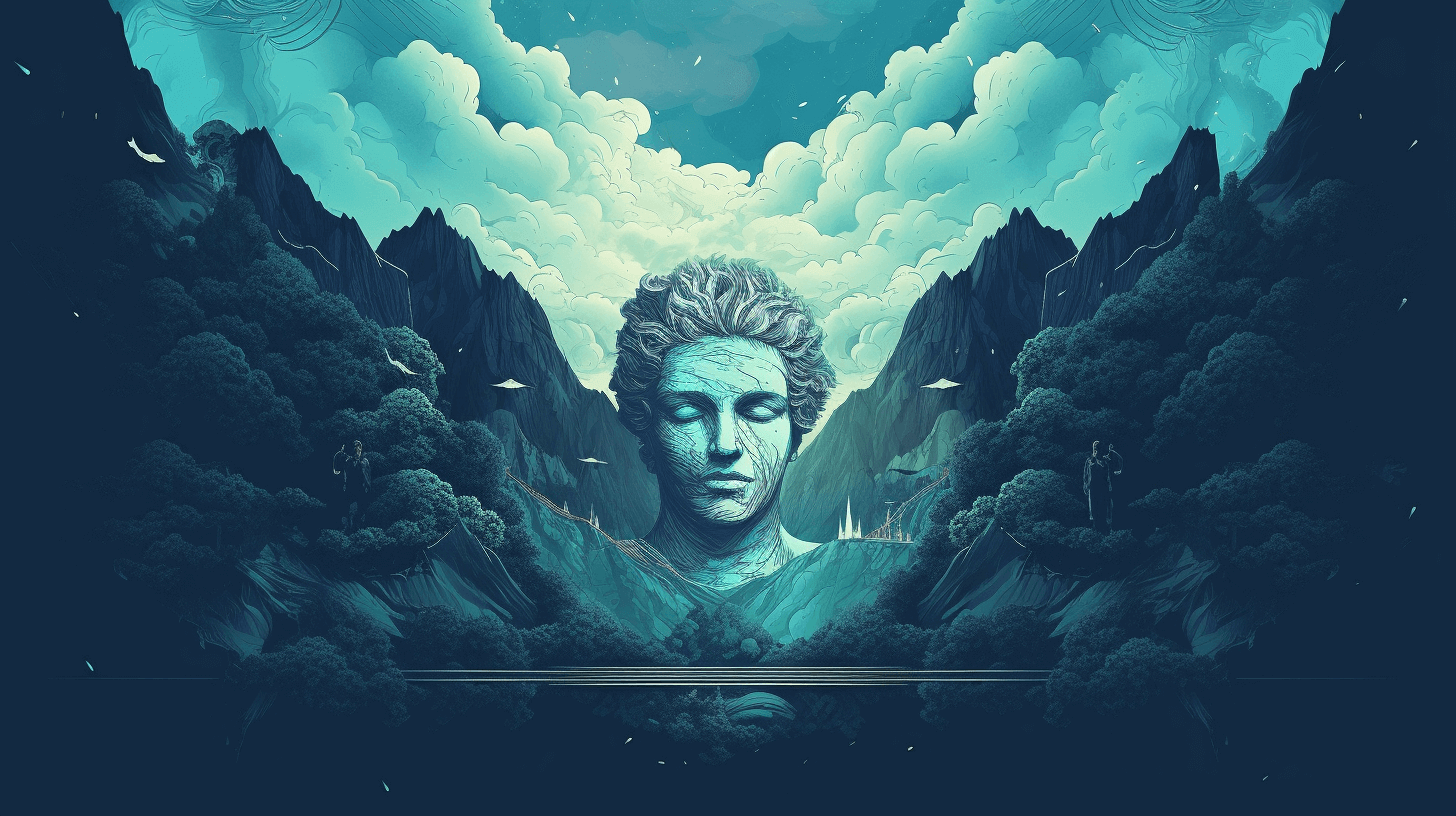
The interplay between art and mental health represents a compelling dialogue at the confluence of aesthetics, emotion, and well-being.
In this exploration, a philosopher, an artist, and a psychiatrist synergistically examine how artistic endeavours not only reflect but also influence mental states. Their collaborative inquiry addresses the therapeutic dimensions of art, contemplating its capacity to heal and articulate complex psychological landscapes.
Through a professional lens, the discussion examines art’s capacity to provide emotional catharsis, enhance self-reflection, and serve as a nonverbal medium for expressing the inexpressible facets of mental health.
This introduction sets the stage for a nuanced investigation of the symbiotic relationship between creative expression and psychological health, offering insights into the transformative power of art in human experience.
Key Takeaways
- Faith plays a crucial role in mental health by providing purpose, comfort, guidance, and a sense of community.
- Art and beauty have a profound impact on mental well-being, stimulating creativity, evoking emotions, and offering solace during mental health struggles.
- Mental health challenges affect individuals regardless of their background or faith, and it is essential to provide support and engage in open discussions about personal experiences.
- The intersection of art, medicine, and mental health highlights the power of art to capture and convey the experiences of patients and healthcare professionals, potentially mitigating burnout in the medical field.
The Essence of Belief
Every belief we hold carries profound implications for our mental health, shaping our perceptions and interactions with the world around us.
The power of faith, in particular, can be instrumental in personal growth, providing individuals with a framework for meaning and a sense of purpose. Through faith, one often cultivates resilience and finds solace in the face of adversity, thereby enhancing mental fortitude.
Furthermore, engaging with one’s faith can stimulate deep introspection, fostering psychological development and self-awareness. This multidisciplinary perspective acknowledges spirituality’s role in promoting a holistic sense of well-being.
Insightful analysis further reveals that faith-based communities can provide unique support systems that promote mental health by reinforcing communal ties and shared values vital to individual and collective flourishing.
Art’s Emotional Connection
Numerous studies have demonstrated that art possesses a unique ability to elicit profound emotional responses, thereby bridging the gap between personal belief systems and mental health.
Art therapy has emerged as a significant modality that leverages this emotional connection, providing individuals with a non-verbal medium for self-expression and psychological exploration.
Emotional expression through art offers a cathartic outlet and fosters self-awareness, enhancing mental resilience. The therapeutic environment encourages the externalisation of internal experiences, making abstract emotions tangible.
This multidisciplinary approach integrates psychological theories with artistic creativity to address mental health holistically. Such interventions are valuable, as they embody an analytical understanding of the psychological processes underlying the creation and reception of art, thereby illuminating art’s profound impact on emotional well-being.
The Beauty Effect
Within the realm of mental health, the aesthetic allure of art and nature has been found to have therapeutic properties, offering a serene refuge from the stressors of daily life. The ‘Beauty Effect’ can be understood as a form of aesthetic healing that engages individuals across multiple sensory levels and influences psychological well-being. This effect is not merely superficial but rooted in a deep psychological response to harmony, balance, and visual appeal.
- Art therapy leverages the ‘Beauty Effect’ to foster mental resilience and emotional stability.
- Exposure to beauty in art and nature stimulates positive neural responses, akin to the experience of love or joy.
- Aesthetic experiences can disrupt cycles of negative thinking, providing relief in moments of anxiety or depression.
- The incorporation of beauty into therapeutic settings can create an atmosphere conducive to healing and self-exploration.
Universal Mental Health
Mental health challenges are a ubiquitous aspect of human experience, transcending cultural, economic, and geographic boundaries. The interplay between cultural influences and mental health outcomes cannot be overstated. Cultural norms shape the perception of mental health, influencing help-seeking behaviours and the availability of support systems. Stigma reduction is pivotal to fostering an environment in which individuals feel safe seeking help without fear of judgment or ostracism. A multidisciplinary approach facilitates a more nuanced understanding and effectively addresses mental health disparities.
| Cultural Influences | Stigma Reduction |
|---|---|
| Defines norms | Encourages openness |
| Influences perceptions | Reduces discrimination |
| Affects help-seeking | Promotes acceptance |
The table illustrates the necessity of considering cultural contexts and stigma reduction in universal mental health strategies. This analytical perspective underscores the importance of culturally sensitive interventions and educational campaigns.
Artistic Medical Synergy
The synthesis of art and medicine is a pivotal component in addressing mental health, offering a unique perspective that integrates aesthetic expression with therapeutic practice. This convergence represents an integrative approach that acknowledges the healing power inherent in artistic endeavours and enhances the efficacy of medical interventions through therapeutic expression.
The use of art therapy to unlock emotional expression and foster healing in patients with mental health disorders.
Incorporation of aesthetic principles in healthcare environments to promote wellness and reduce stress.
Creative arts as a medium for healthcare professionals to process their experiences and prevent burnout.
Engagement with art as a form of mindfulness enhances the patient’s holistic well-being and complements traditional treatments.
This multidisciplinary nexus provides profound insights into the human condition, fostering resilience and offering a compassionate pathway towards recovery.
Medicine’s Creative Soul
Art therapy stands as a testament to medicine’s creative soul, bridging the gap between clinical practice and the healing potential of creative expression. This therapeutic expression harnesses art’s healing power for psychological and emotional recovery. The following table exemplifies the synergy between art and medicine:
| Aspect | Clinical Benefit | Creative Impact |
|---|---|---|
| Emotional Relief | Stress Reduction | Artistic Catharsis |
| Cognitive Shift | Enhanced Clarity | Perspective Gain |
| Physical Release | Tension Alleviation | Sensorimotor Engagement |
| Social Connection | Empathy Development | Collaborative Creation |
| Personal Insight | Self-Understanding | Symbolic Representation |
Analytically, each intersectional point reveals a multidisciplinary pathway connecting the psyche’s intricate landscape to the tangible canvas of art, illustrating how intertwined the disciplines are for holistic wellness.
JAMA’s Visual Shift
Journal of the American Medical Association’s (JAMA) recent decision to replace cover art with a table of contents reflects a significant visual shift in the publication’s approach to content presentation. This change may be rooted in:
- The cover art controversy, illuminating tensions between aesthetic appreciation and practical utility.
- Changing reader preferences, indicating a trend towards efficiency in information retrieval.
- A broader discourse on the balance between visual engagement and the conveyance of scientific content.
- The evolving landscape of medical literature consumption, where rapid access to information is increasingly prioritised.
This pivot is emblematic of a multidisciplinary dialogue, as it intersects the realms of art, medicine, and publishing, prompting a reevaluation of how best to serve an audience seeking both enlightenment and expediency.
Balancing Art With Access
In considering the integration of art into publications, one must weigh the inspirational value against the necessity for concise information delivery.
Art accessibility is a pivotal concern for ensuring that the emotive and contemplative benefits of art are available to a diverse audience.
The challenge lies in fostering art and inclusivity within the constraints of a publication’s format.
A multidisciplinary approach that harmonises aesthetic appeal with functional design can yield insightful solutions.
Analytical tools can assess the impact of artistic content on comprehension and retention, guiding a balance that does not compromise the integrity of either.
Ultimately, the goal is to create a symbiotic relationship in which art enhances understanding, and inclusivity broadens the reach of both art and knowledge.
Frequently Asked Questions
How Does Cultural Background Influence the Relationship Between Art and Mental Health?
Cultural background significantly shapes the interplay between art and mental health. It influences both the presence of cultural stigmas and the accessibility of art. A multidisciplinary analysis reveals that while some cultures embrace art as a therapeutic outlet, others may view engagement with art or mental health struggles as taboo.
Enhancing art accessibility can therefore be a powerful tool in destigmatising mental health issues and promoting holistic well-being across diverse communities.
What Are Some Specific Examples of Art Therapy Practices and Their Effectiveness in Treating Mental Health Issues?
Art therapy practices employ creative expression as a core therapeutic process. Techniques such as painting, sculpture, and collage facilitate non-verbal communication, allowing individuals to explore emotions and experiences.
These modalities have been effective in treating a range of mental health issues by providing alternative avenues for expression and coping. Such practices encourage self-discovery, enhance self-esteem, and can contribute significantly to the healing and recovery process in a clinical setting.
How Can Individuals Who Lack a Natural Affinity for Art Begin to Incorporate It Into Their Mental Health Practices?
Can one’s well-being be enhanced through creative exploration, even without innate artistic talent? Absolutely.
Individuals may engage in mindful crafting as a gateway to art within mental health practice. This multidisciplinary approach involves analytical thinking to understand art’s therapeutic facets and its potential to cultivate insight.
Tailoring activities to one’s comfort level fosters an art appreciation, nurturing a healing environment for both mind and spirit.
Are There Any Potential Negative Effects of Relying Too Heavily on Art as a Form of Mental Health Treatment?
Relying excessively on art for mental health treatment can lead to art addiction or creative dependency, potentially overshadowing other therapeutic activities or coping mechanisms.
It is crucial to maintain a multidisciplinary approach to mental health that incorporates a range of strategies to ensure a balanced, holistic recovery process.
This analysis recognises the need for a comprehensive framework that addresses the complexities of mental well-being.
How Do Digital and Social Media Platforms Impact the Consumption of Art and Its Effects on Mental Health?
Digital landscapes shape our artistic encounters, with algorithmic curation tailoring our cultural diet. Commodification of art on social media often prioritises popularity over profundity, potentially diluting art’s therapeutic value.
This multidisciplinary analysis reveals that while digital platforms democratise access to art, they also risk altering its consumption, with implications for mental health engagement.
Insightful scrutiny is necessary to navigate these virtual galleries, ensuring that art remains a salve rather than a spectacle.
Conclusion
In the confluence of art and mental health, irony emerges subtly yet profoundly. While art offers a reprieve from psychological turmoil, it concurrently demands an emotional investment that mirrors the complexities of mental states.
This duality underscores the paradox of healing: immersion in art can both soothe and evoke the very sentiments it seeks to salve.
Thus, the disciplines of philosophy, art, and psychiatry find a shared canvas, painting a nuanced portrait of the human condition.

