-
High-Dose Methylene Blue: Side Effects and Risks Explained
Mark
age-related changes, blood pressure, breastfeeding, causes, comfort, communication, concentration, depression, elderly, history, hydration, medications, memory, Methylene Blue, oxidative stress, pain management, planning, pregnancy, pressure, risk factors, stability, strength, supplements, symptoms, therapies, therapyReading Time: 14 minutes. High-dose methylene blue (>7 mg/kg) entails significant risks and requires careful medical supervision. Common side effects include blue-green skin discolouration, temperature regulation issues, and gastrointestinal distress. More serious complications can develop, particularly in patients taking serotonergic medications, where serotonin syndrome may occur. Critical adverse reactions include respiratory complications, severe hemolytic responses in…
-

Is Methylene Blue Safe? an In-Depth Look at Daily Use Risks, Side Effects, Long-Term Safety, and Who Should Avoid It
Mark
ADHD, ageing, assistance, ATP, biohacking, blood pressure, breastfeeding, cancer, causes, clinical trials, cocaine, cognitive benefits, cognitive enhancement, cognitive function, communication, concentration, dementia, depression, efficiency, elderly, enhancing cognitive function, enzymes, history, medications, Methylene Blue, mitochondrial function, neurodegenerative disorders, nutrition, oxidative stress, pregnancy, pressure, scents, stability, supplements, symptoms, therapeutic applications, therapy, warning signsReading Time: 27 minutes. Methylene blue has a well-established safety profile at therapeutic doses of 0.5-2 mg/kg, with FDA approval for the treatment of methemoglobinemia since 2016. Safety depends critically on dosage thresholds, as toxicity emerges above 7 mg/kg, causing hemolytic crisis and cardiovascular complications. Individuals with G6PD deficiency face heightened hemolytic risks even at…
-

Methylene Blue for Traumatic Brain Injury: Research Insights and Safety Factors
Mark
animals, anti-inflammatory, antioxidants, ATP, behaviour, blood pressure, brain cell respiration, brain health, brain injuries, breastfeeding, clinical trials, cognitive decline, cognitive function, connections, depression, expression, future of brain health, healing power, inflammation, medications, Methylene Blue, mitochondrial function, neurodegenerative disease, neurodegenerative diseases, neurology, neuroprotection, neuroscience, oxidative stress, oxygen utilisation, pregnancy, pressure, social connections, strength, success, symptoms, therapies, therapy, vitalityReading Time: 11 minutes. Methylene blue shows promise for traumatic brain injury through multiple neuroprotective mechanisms, including reducing cerebral lesion volumes (2.49 mm³ vs. 3.29 mm³ in controls), decreasing brain oedema, and preserving neuronal integrity. You’ll find that it enhances mitochondrial function, maintains blood-brain barrier integrity, reduces inflammatory cytokines, and improves motor function outcomes in…
-

Methylene Blue and Huntington’s Disease: What Research Reveals
Mark
alzheimer’s, alzheimer’s disease, animals, anti-inflammatory, behaviour, brain cells, brain health, breastfeeding, clinical trials, concentration, expression, fruit, future of brain health, healing power, history, lifespan, medications, Methylene Blue, mitochondrial function, neurodegeneration, neurodegenerative conditions, neurodegenerative disease, neurodegenerative diseases, neurological disorders, neurology, neuroprotection, neuroprotective strategies, neuroscience, oxidative stress, stem cells, strength, stress reduction, success, symptoms, therapeutic applications, therapies, therapy, transformationReading Time: 9 minutes. Research shows that methylene blue disrupts huntingtin protein aggregates that cause Huntington’s disease by interfering with hydrogen-bonding networks and β-sheet formation. Studies demonstrate it effectively blocks aggregate formation in cell cultures, extends lifespan in Drosophila models, and delays symptom onset in R6/2 mice when treatment begins early. The compound also enhances…
-
Is Long-Term Methylene Blue Use Safe? Contraindications, Daily Dosing Risks, and What Research Really Shows
Mark
ageing, alzheimer’s, alzheimer’s disease, anti-ageing, anti-inflammatory, antioxidants, assistance, ATP, blood pressure, Blu Brain, brain cells, breastfeeding, cancer, causes, clinical trials, cognitive benefits, cognitive decline, cognitive decline prevention, cognitive enhancement, cognitive function, cognitive improvement, cognitive performance, comfort, communication, concentration, detox, detoxification, dopamine, elderly, emotional regulation, enzymes, exercise, expression, food, gut microbiome, history, inflammation, lifespan, medications, memory, memory consolidation, memory enhancement, Methylene Blue, Microbiome, mitochondrial function, neurodegenerative conditions, neurodegenerative disease, neurodegenerative diseases, neuroprotection, neuroscience, oxidative stress, parkinson’s, pregnancy, pressure, risk factors, stability, stress reduction, supplements, symptom management, symptoms, therapeutic applications, therapy, toolsReading Time: 21 minutes. Long-term methylene blue use appears safe at therapeutic doses of 0.5-2 mg/kg body weight, with typical protocols using 10-30 mg daily for neurological benefits. Research indicates doses exceeding 5 mg/kg approach toxic territory, causing cardiovascular, gastrointestinal, and haematological complications. The compound exhibits a narrow therapeutic window, where low doses enhance mitochondrial…
-
Methylene Blue Safety Explained: Contraindications, Pregnancy Risks, Drug Interactions, and Daily Use Guidelines
Mark
blood pressure, breastfeeding, causes, comfort, communication, concentration, depression, diet, dopamine, efficiency, enzymes, food, history, hydration, lab, lifespan, medications, Methylene Blue, oxidative stress, personalised medicine, pregnancy, pressure, risk factors, stability, supplements, symptoms, therapeutic approaches, therapy, warning signsReading Time: 19 minutes. Methylene blue exhibits significant therapeutic utility in specific clinical scenarios; however, its safety profile necessitates rigorous assessment prior to administration. Absolute contraindications include glucose-6-phosphate dehydrogenase deficiency, severe renal impairment, and documented hypersensitivity reactions. The compound carries a Pregnancy Category X classification due to established teratogenic effects and elevated fetal mortality rates,…
-
Methylene Blue Safety in Pregnancy and Breastfeeding
Reading Time: 9 minutes. Methylene blue is generally contraindicated in pregnancy due to risks of fetal loss and neonatal complications. Intra-amniotic use is particularly unsafe, with studies linking it to high fetal mortality and small intestinal atresia. Limited reports of first-trimester exposure exist, with healthy outcomes; however, caution is essential. If exposure occurs, enhanced fetal…
-
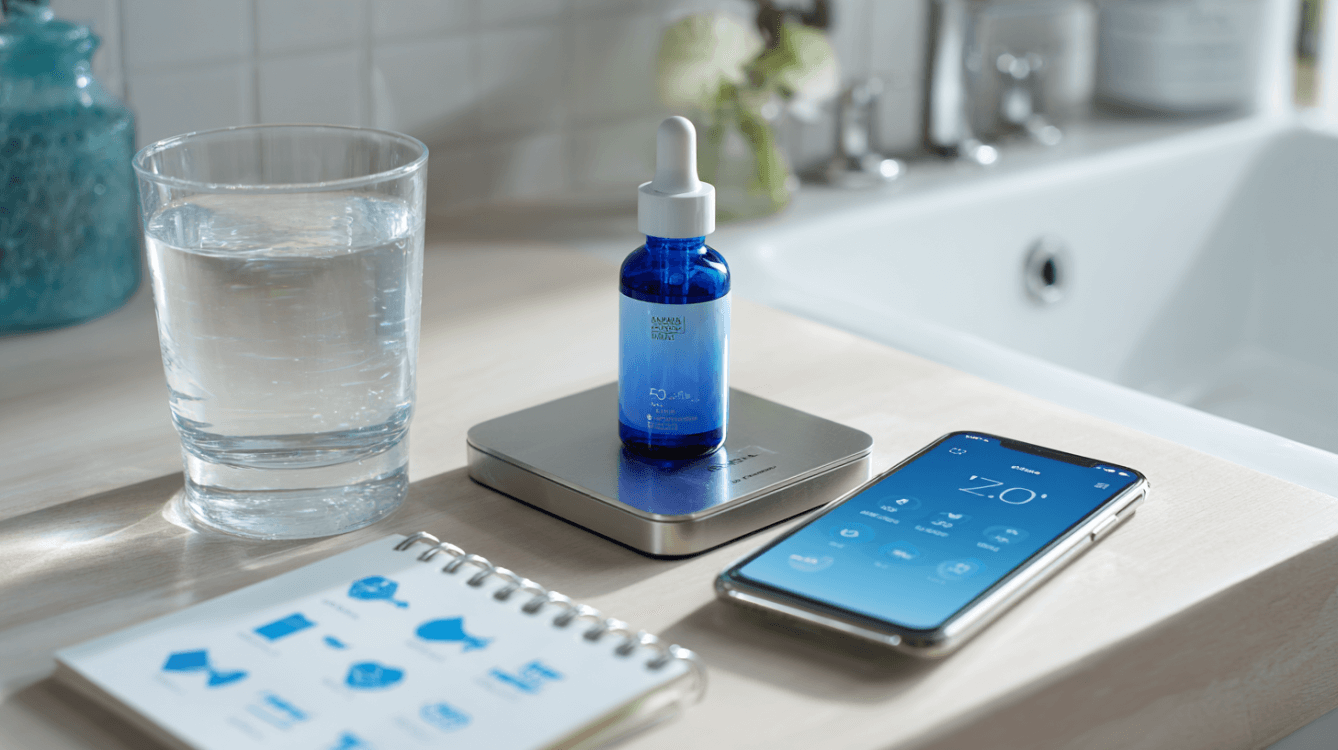
How to Use Methylene Blue Safely: Dosage by Weight, Risk Factors, and the Blu Brain Calculator
Mark
antioxidants, blood pressure, Blu Brain, breastfeeding, caffeine, cognitive enhancement, concentration, dosage guidelines, driving, elderly, history, hydration, longevity, medications, Methylene Blue, neuroprotection, oxidative stress, planning, pregnancy, pressure, risk factors, scents, stability, supplements, swallowing, symptom management, symptoms, therapeutic applications, therapy, vitamin c, workplaceReading Time: 16 minutes. Methylene blue is a redox-active antidote for methemoglobinemia dosed by weight. Typical dosing is 1 mg/kg IV over 5–30 minutes, diluted in 5% dextrose; avoid sodium chloride. Do not exceed 5 mg/kg/day or 7 mg/kg cumulative (stricter: ≤4 mg/kg for aniline/dapsone). In paediatrics, standard doses are 0.3–1 mg/kg with a single…
-
How Long Is It Safe to Take Methylene Blue?
Mark
blood pressure, Blu Brain, breastfeeding, caregivers, causes, check-in, cognitive function, comfort, communication, concentration, food, inflammation, lifestyle factors, medications, mental health, Methylene Blue, nutrition, omega-3, performance enhancement, pregnancy, pressure, risk factors, scents, sleep quality, supplements, symptoms, therapy, vitamin c, warning signsReading Time: 16 minutes. The safe duration for taking methylene blue varies based on your medical condition and treatment goals. For acute conditions like methemoglobinemia, a single dose of 1 mg/kg is typically sufficient. However, for conditions such as ifosfamide-induced encephalopathy, you may require treatment for s everal days at 50 mg every 4-8 hours,…
-
How Often Can You Safely Take Methylene Blue?
Mark
antiviral, behaviour, bipolar disorder, blood pressure, Blu Brain, brain cells, breastfeeding, cancer, cognitive decline, cognitive function, cognitive wellness, comfort, concentration, dosage guidelines, exercise, food, history, infectious diseases, innovations, lifestyle changes, medications, mental health, Methylene Blue, mitochondrial function, neurodegenerative disease, neurodegenerative diseases, pressure, success, supplements, symptoms, therapy, warning signsReading Time: 16 minutes. The safe frequency for taking methylene blue depends on your specific medical needs and condition. For emergency treatments like methemoglobinemia, you will receive 1 mg/kg IV doses that can be repeated after 30-60 minutes if necessary. For off-label oral use, doctors typically prescribe 50-300 mg per day under close supervision. You…
Search
About
Blu Brain is a proprietary, concentrated formulation of Methylene Blue designed to target the mitochondria in your brain. This Methylene Blue formulation can produce revolutionary cognition, focus, and memory results. Our blog covers topics related to cognitive health, brain function, and biohacking.
Categories
- ADHD
- ADHD and Parenting
- ADHD and Science
- ADHD and Self-Improvement
- Alternative Therapies
- Alzheimer's and Brain Health
- Alzheimer's and Research
- Beauty and Skin Care
- Biohacking
- Bipolar Disorder
- Blu Brain News
- Brain Ageing & Disease
- Brain Health and Addiction Recovery
- Brain Health and Ageing
- Brain Health and Creativity
- Brain Health and Fitness
- Brain Health and Gut Health
- Brain Health and Mindfulness
- Brain Health and Neuroplasticity
- Brain Health and Sleep
- Brain Health and Trauma
- Brain Health and Well-Being
- Brain Health Assessment
- Brain Health Food
- Brain Health Information
- Brain Scan and Mental Health Insights
- Caregiver Support
- CBD Oil
- Child & Developmental Cognition
- Cognitive Decline
- Cognitive Enhancement
- Cognitive Enhancement and Brain Health
- Cognitive Enhancement and Nootropics
- Cognitive Health
- Cognitive Health and Well-being
- Communication Skills
- Community & Stories
- Detoxification
- Emotional Wellness
- Future of Brain Health
- Health and Wellness
- Health Connections
- Herbal Remedies
- Hormones
- Integrative Medicine
- Longevity and Well-being
- Longevity Lifestyle
- Medication and Health Guides
- Men's Health
- Mental Wellness
- Methylene Blue
- Methylene Blue and Anti-Ageing
- Methylene Blue and Brain Health
- Methylene Blue and Cognitive Enhancement
- Mind and Cognitive Health
- Mindfulness and Mental Well-being
- Neurodegenerative Diseases and Treatments
- Nutritional Brain Health
- Nutritional Health and Brain Function
- Other Medical / Non-Core
- Positive Thinking and Mental Well-being
- Practical Tips
- Product Focus
- Research & Science
- Skin Care
- Sleep
- Sleep and Cognitive Function
- Social Connections and Cognitive Well-being
- Social Engagement and Brain Health
- Sport and Fitness
- Stem Cell Therapy
- Stem Cell Therapy and Brain Health
- Stress Management and Brain Health
- Superfoods and Brain Health
- Uncategorised
- Women's Cognitive Health
- Women's Health