
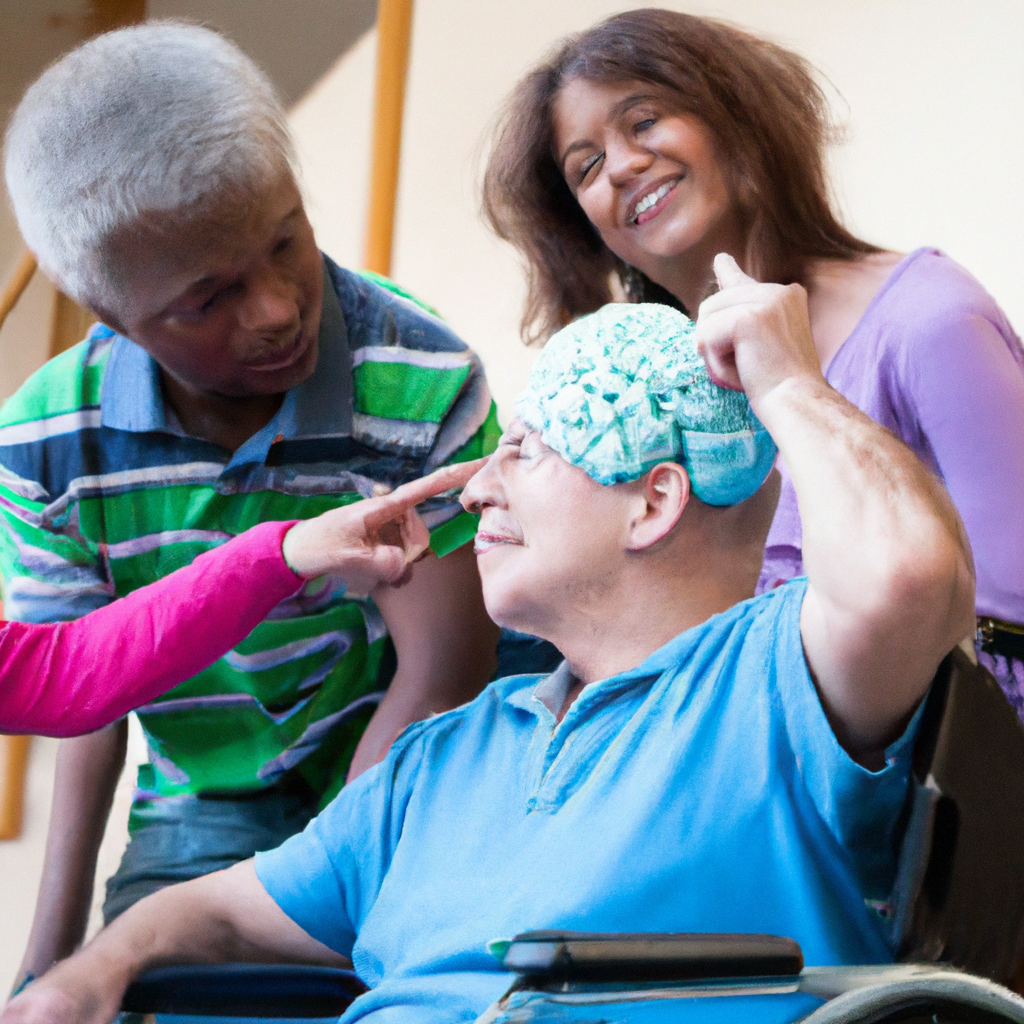
Contrary to popular belief, the brain requires intensive maintenance despite consuming 25% of total energy while comprising only 2% of body weight. Brain diseases rarely produce pain due to absent pain receptors, making conditions like stroke and early dementia difficult to recognize. Most strokes are ischemic rather than hemorrhagic, and symptoms can be subtle rather than dramatic. Treatment delays cause irreversible damage, with approximately 1.9 million neurons dying each minute during acute events. Understanding these misconceptions enables earlier intervention and better outcomes through proper recognition of warning signs.
Key Takeaways
- Brain diseases rarely cause pain as a primary symptom because the brain lacks pain receptors, contradicting common assumptions.
- High blood pressure during stroke is compensatory, not causative, and requires immediate emergency intervention rather than home management.
- Most strokes are ischemic, not hemorrhagic, and can present with mild symptoms like slight weakness or temporary speech difficulties.
- Minor stroke symptoms require immediate emergency response, as 1.9 million neurons die per minute during acute cerebrovascular events.
- Active brain health maintenance through exercise, nutrition, and cognitive engagement can delay age-related neurological deterioration, not just genetics.
Myth: Your Brain Doesn’t Need as Much Care as Your Heart
While cardiovascular health has dominated public health discourse for decades, emerging neuroscience evidence indicates that brain health requires equivalent, if not greater, attention to metabolic demands and systemic maintenance.
The brain comprises merely 2% of body weight yet consumes approximately 25% of total energy expenditure. This disproportionate metabolic requirement necessitates sophisticated maintenance protocols comparable to heart health interventions.
Ideal brain care demands integrated approaches: regular physical activity, balanced nutrition, and cognitive engagement.
Neglecting neurological wellness can precipitate conditions ranging from stroke to neurodegenerative diseases, underscoring the critical importance of elevating brain care to parity with established cardiovascular health priorities.
Myth: You Don’t Need to Do Anything Special for Brain Health
Complacency regarding brain health maintenance contradicts fundamental neuroscientific evidence demonstrating that cognitive preservation requires deliberate, sustained interventions.
The brain’s substantial energy consumption—25% of total metabolic output despite comprising only 2% of body weight—necessitates specific nutritional support through cognitive nutrition strategies.
Research indicates that brain exercises, including structured mental challenges and novel learning experiences, promote neural plasticity and may delay cognitive decline.
Physical activity, balanced dietary patterns, and intellectual stimulation collectively maintain the approximately 100 billion neurons comprising this complex organ.
Without intentional lifestyle modifications, age-related neurological deterioration progresses more rapidly, potentially increasing dementia risk and compromising overall brain function.
Myth: Brain Diseases Always Cause Pain
Contrary to widespread assumption, brain diseases rarely produce pain as a primary symptom, creating a dangerous misconception that delays diagnosis and treatment. The brain itself lacks pain receptors, making pain perception an unreliable indicator of neurological dysfunction. This absence of discomfort can mask serious conditions requiring immediate intervention.
Critical manifestations of brain diseases without pain:
- Stroke presents as sudden limb weakness or speech difficulties without accompanying headache.
- Early-stage dementia progresses through memory loss and disorientation painlessly.
- Brain tumors may cause neurological deficits while remaining completely painless.
Understanding this principle proves essential for maintaining peak brain health and recognizing symptoms warranting urgent medical evaluation.
Myth: Forgetting Things Is Just Normal Aging
Although memory lapses occur naturally with age, distinguishing benign forgetfulness from pathological cognitive decline requires careful clinical assessment.
Memory misconceptions perpetuate dangerous delays in seeking neurological evaluation. Early dementia symptoms—including persistent short-term memory loss, disorientation, and deteriorating facial recognition—differ substantially from occasional forgetfulness.
Aging myths suggest cognitive decline is inevitable, yet Alzheimer’s disease progresses from forgetting daily activities to severe impairment through identifiable stages.
Timely medical intervention following symptom recognition improves management outcomes significantly. Public education campaigns addressing neurological conditions can reduce stigma while promoting awareness that not all memory changes represent normal aging, potentially preventing disease progression through earlier diagnosis.
What Memory Loss Actually Signals Brain Disease
Memory loss signals underlying brain disease when specific pathological markers distinguish it from benign age-related changes.
Alzheimer’s disease and other neurodegenerative conditions manifest through progressive cognitive decline beyond normal aging patterns.
Clinical indicators of pathological memory loss include:
- Short-term memory impairment – Forgetting daily activities, appointments, or recent conversations repeatedly rather than occasionally
- Spatial and temporal disorientation – Losing awareness of familiar locations, dates, or time periods
- Progressive deterioration – Declining recognition of faces, relationships, and fundamental personal information over time
Early recognition enables timely neurological consultation and intervention, potentially improving disease management outcomes through appropriate therapeutic strategies.
Myth: Brain Diseases Only Affect Your Mind
Brain diseases fundamentally disrupt whole-body systems rather than confining their effects to cognitive processes alone.
Neurological disorders frequently manifest through physical impairments including sudden loss of limb movement, speech difficulties, and compromised balance. The brain’s control over both mental and physical functions means that deteriorating brain function can precipitate weakness, mobility challenges, and coordination deficits throughout the entire body.
Stroke exemplifies this whole-system impact, typically presenting with abrupt inability to move specific body parts rather than purely cognitive symptoms.
Stroke’s sudden physical paralysis demonstrates how brain disease radiates beyond cognitive function to impact the entire body system.
Recognition that brain diseases affect extensive bodily systems—not exclusively mental processes—enables earlier symptom identification and more timely medical intervention.
Myth: High Blood Pressure During a Stroke Is a Good Sign
Elevated blood pressure during stroke events represents a compensatory physiological response rather than a favorable prognostic indicator. When brain tissue experiences reduced blood flow from blocked or ruptured vessels, the body elevates systemic pressure attempting to restore cerebral perfusion. This mechanism explains why approximately 80% of stroke patients present with hypertension.
Understanding high blood pressure stroke significance requires recognizing:
- Compensation mechanism – The brain triggers pressure elevation to counteract weakness-causing circulation deficits
- Diagnostic indicator – Elevated readings signal active neurological compromise requiring immediate intervention
- Treatment consideration – Careful pressure management becomes critical during acute stroke care
Emergency consultation remains essential regardless of blood pressure readings.
Myth: Most Strokes Are Caused by Bleeding in the Brain
Hemorrhagic events account for only approximately 20% of stroke cases****, contradicting the widespread misconception that brain bleeding represents the primary stroke mechanism. This misunderstanding represents one of the most persistent stroke misconceptions affecting public awareness.
Approximately 80% of strokes result from blocked blood vessels rather than rupture, a distinction with significant implications for brain health education and emergency response protocols.
The prevalence of ischemic events necessitates different treatment approaches compared to hemorrhagic strokes. Correcting this fundamental misunderstanding enables more accurate symptom recognition and appropriate healthcare navigation, potentially improving patient outcomes through timely, targeted intervention strategies.
Myth: Stroke Symptoms Are Always Obvious and Sudden
While popular perception associates stroke exclusively with dramatic, unmistakable symptoms, clinical evidence demonstrates that stroke presentations frequently manifest through subtle, gradual onset patterns that patients and observers may fail to recognize immediately.
Critical considerations for stroke recognition and symptom awareness:
- Mild initial symptoms including slight weakness, temporary speech difficulties, or minor balance disturbances may precede major neurological events.
- Progressive deterioration can occur over hours rather than instantaneous onset, particularly in certain stroke subtypes.
- Absence of pain frequently delays medical consultation, as patients underestimate severity without accompanying discomfort.
Timely neurological evaluation remains essential regardless of symptom intensity.
When Stroke Symptoms Require Emergency Care
Given the variability in stroke presentation patterns, determining appropriate thresholds for emergency intervention requires specific clinical indicators rather than subjective severity assessments.
Stroke recognition protocols identify sudden onset of focal neurological deficits—including unilateral weakness, speech impairment, or facial asymmetry—as mandating immediate emergency response regardless of perceived severity.
Time-sensitive treatment protocols demonstrate that intervention within critical windows significantly improves outcomes, with approximately 80% of strokes involving vessel blockage potentially responsive to acute therapies.
Healthcare navigation challenges and patient uncertainty about symptom significance often introduce detrimental delays, underscoring the importance of standardized recognition criteria for activating emergency medical services.
Why Delaying Treatment Makes Brain Damage Permanent
The biological mechanisms underlying stroke pathology establish strict temporal parameters for therapeutic intervention, with neuronal tissue demonstrating minimal tolerance for ischemic conditions.
Treatment urgency cannot be overstated, as approximately 1.9 million neurons die each minute during acute cerebrovascular events, significantly limiting brain recovery potential.
Critical Time-Dependent Factors:
- Therapeutic window: Clot-dissolving medications demonstrate peak efficacy within 4.5 hours of symptom onset.
- Penumbra preservation: Surrounding tissue remains salvageable for limited periods before irreversible damage occurs.
- Functional outcomes: Each 15-minute delay correlates with measurably reduced recovery prospects and increased disability risk.
Frequently Asked Questions
How Many Neurons Does the Human Brain Contain?
The human brain contains approximately 100 billion neurons, though this figure represents a widely cited estimate rather than a precise count.
Current neuroscience research suggests the actual neuron count may vary between individuals and ranges from 86 to 100 billion cells.
These neurons form complex networks throughout brain development, establishing trillions of synaptic connections that enable cognitive function, motor control, and sensory processing.
The exact number remains subject to ongoing scientific investigation and methodological refinement.
What Percentage of the Body’s Energy Does the Brain Consume?
The brain consumes approximately 25% of the body’s total energy despite representing only 2% of body weight.
This disproportionately high brain energy demand reflects the metabolic requirements necessary to maintain ideal cognitive function and support roughly 100 billion neurons.
The substantial energy expenditure underscores the brain’s role as the body’s most metabolically active organ, requiring continuous glucose and oxygen supply for proper neurological functioning.
Which Doctor Should I Consult for Neurological Symptoms?
For neurological symptoms such as sudden weakness, speech difficulties, or cognitive changes, one should seek neurologist consultation promptly.
These specialists possess expertise in diagnosing brain and nervous system disorders through thorough symptom evaluation. Evidence suggests that approximately 80% of stroke cases result from blocked blood vessels, making timely professional assessment critical.
Like the body’s control center requiring 25% of total energy despite representing only 2% of body weight, the brain’s complexity necessitates specialized medical attention when dysfunction occurs.
What Are Common Examples of Neurodegenerative Diseases Besides Alzheimer’s?
Common neurodegenerative diseases beyond Alzheimer’s include Parkinson’s Disease, characterized by progressive motor dysfunction and tremors; Multiple Sclerosis, involving immune-mediated damage to nerve coverings; Huntington’s Disease, a genetic disorder causing involuntary movements and cognitive decline; and Amyotrophic Lateral Sclerosis, which affects motor neurons controlling voluntary muscles.
Each condition presents distinct pathological mechanisms and clinical manifestations, though all share progressive neuronal degeneration as their underlying feature, requiring specialized neurological evaluation for accurate diagnosis.
How Can Public Education Campaigns Reduce Mental Health Stigma?
Public education campaigns reduce mental health stigma through systematic awareness programs that normalize neurological and psychiatric conditions.
Evidence suggests these initiatives work by disseminating accurate information about brain diseases, distinguishing them from misconceptions, and demonstrating their biological basis.
Stigma reduction occurs when communities understand that mental health disorders are medical conditions requiring treatment, not character flaws.
Educational interventions appear most effective when they combine scientific explanations with personal narratives, facilitating broader societal acceptance and encouraging timely medical consultation.
Conclusion
Like a sophisticated control tower requiring constant monitoring, the brain demands informed stewardship rather than passive neglect. The evidence demonstrates that neurological misconceptions function as barriers to timely intervention, potentially transforming treatable conditions into irreversible damage. While knowledge gaps persist regarding brain health, research consistently suggests that understanding warning signs, recognizing symptom patterns, and seeking prompt medical evaluation may significantly influence outcomes. Dispelling these myths represents a measurable step toward neuroprotection across the lifespan.

