
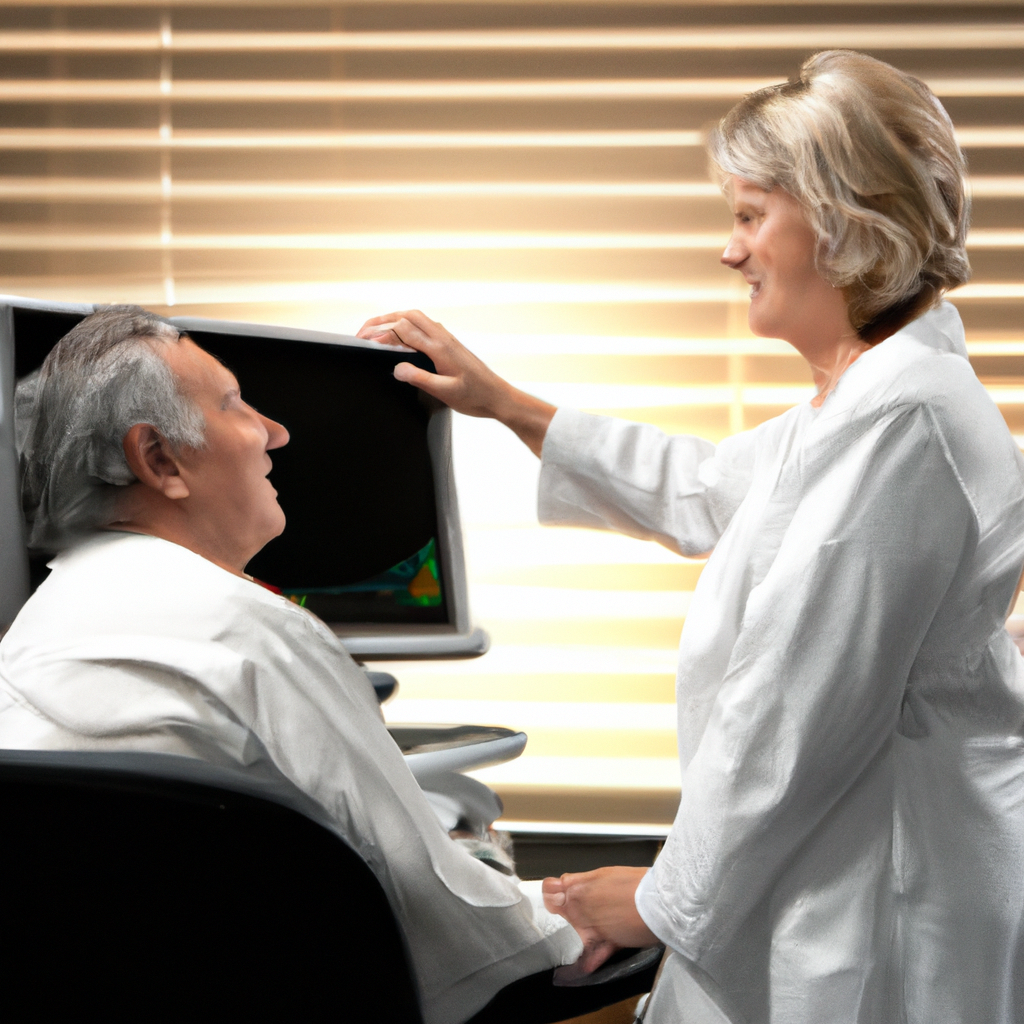
A patient-centred approach to neurological care can transform your healing journey through extended 90-minute consultations and personalised treatment strategies.
You’ll benefit from a thorough framework that integrates structural, neurological, and nutritional interventions while addressing both physical and psychological aspects of recovery.
Your family’s support, combined with collaborative care from specialists, creates an environment where healing can flourish.
Understanding these essential elements will illuminate your path to ideal neurological wellness.
Key Takeaways
- Extended 90-minute consultations build trust and understanding between healthcare providers and patients, fostering a supportive healing environment.
- Integrative treatment combines structural, neurological, and nutritional interventions to address multiple aspects of neurological recovery simultaneously.
- Patient-centred partnerships empower individuals to actively participate in their treatment decisions and recovery journey.
- Psychological support and healing mindset development enhance treatment efficacy and strengthen resilience during rehabilitation.
- Collaborative care teams work together with families to create comprehensive support systems for optimal neurological healing outcomes.
Understanding the Patient-First Approach at Neuro Connection
While many medical practices focus primarily on symptoms and diagnoses, the Neuro Connection’s patient-first approach centres on building meaningful relationships through extended initial consultations and detailed care. Dr Erik Reis’s methodology emphasises patient empowerment through exhaustive 90-minute evaluations that explore beyond surface-level symptoms.
This extended time allows for compassionate communication, establishing trust and understanding between provider and patient.
You’ll experience a unique clinical environment where your goals, family dynamics, and personal aspirations are integral to treatment planning.
This holistic approach recognises that successful neurological rehabilitation requires both clinical expertise and emotional support, fostering ideal conditions for recovery and healing.
The Three Pillars of Comprehensive Neuro Care
Building on the patient-first foundation, the Neuro Connection’s treatment framework rests on three distinct pillars: structural, neurological, and nutritional care.
This extensive approach recognises that neuro care demands attention to physical alignment and joint function, neural pathway enhancement, and proper cellular nourishment.
You’ll find that structural interventions address biomechanical issues affecting your nervous system, while neurological treatments target brain-body communication patterns.
The nutritional component guarantees your neural tissues receive essential nutrients for repair and function.
Each pillar works synergistically, creating a robust framework that supports ideal healing and recovery for complex neurological conditions.
Building Trust Through Extended Patient Consultations
To establish meaningful therapeutic relationships, Dr Erik Reis dedicates 90-minute initial consultations with each patient, recognising that building rapport requires substantial time and attention.
During these extended sessions, you will experience a thorough evaluation that goes beyond standard medical assessments, focusing on improving communication through detailed discussions of your symptoms, concerns, and goals.
This patient-centred approach allows for a deeper understanding of your unique challenges while creating a foundation of trust.
You will have the opportunity to share your complete health journey, ensuring that essential details aren’t overlooked and that your treatment plan aligns with both your medical needs and personal aspirations.
Beyond Symptoms: Treating the Whole Person
Rather than focusing solely on neurological symptoms, Dr Reis embraces a thorough approach that addresses the complete spectrum of patient wellness.
Through holistic healing practices, he examines structural, neurological, and nutritional factors while considering your personal goals and family dynamics.
Patient empowerment stands at the core of this methodology, recognising you’re more than your diagnosis.
This approach acknowledges that recovery extends beyond clinical settings and involves your entire support system.
The Psychology of Healing and Recovery
The psychological dimensions of recovery interweave deeply with physical healing processes, creating a powerful mind-body connection that influences treatment outcomes.
Your healing mindset notably impacts recovery, as belief in treatment efficacy can enhance neurological rehabilitation and symptom management.
Developing psychological resilience through patient empowerment and supportive care relationships strengthens your capacity to navigate recovery challenges.
Research shows that patients who feel understood and supported by their healthcare providers demonstrate improved outcomes.
You’ll find that embracing both the emotional and physical aspects of healing creates a more thorough path to recovery, particularly in complex neurological cases.
Navigating Complex Brain Injury Rehabilitation
When managing complex brain injuries, rehabilitation demands a multifaceted approach that integrates structural, neurological, and nutritional components.
You’ll encounter specialised treatment protocols that harness neuroplasticity benefits through targeted exercises and interventions.
Understanding the interconnection between your muscles, vision, and vestibular system is vital for recovery.
Your rehabilitation strategies may include coordinated care from multiple specialists who address specific aspects of your injury.
Each intervention builds upon the others, creating an all-encompassing healing environment.
This systematic approach optimises your brain’s natural ability to adapt and heal while supporting your body’s structural integrity throughout the recovery process.
Supporting Families Through the Recovery Journey
During extended recovery periods, families play a pivotal role in supporting patients with brain injuries, acting as essential partners in the rehabilitation process.
You’ll find that family support considerably influences recovery outcomes, as loved ones provide emotional stability and practical assistance during challenging phases of treatment.
Understanding recovery milestones helps families maintain realistic expectations whilst celebrating progress.
You need to recognise that each patient’s journey differs, requiring adaptable support strategies.
By working closely with healthcare providers, families can learn specific techniques to assist with daily activities, monitor symptoms, and create a supportive environment that promotes optimal healing and neurological recovery.
The Science Behind Neurological Stability
Understanding neurological stability requires examination of three interconnected systems that Dr Reis identifies as essential: musculoskeletal, visual, and vestibular.
These systems form critical neural pathways that maintain your brain’s ability to process and respond to environmental stimuli.
Your brain’s resilience depends on the harmonious function of these systems.
When you experience trauma, the communication between these pathways can become disrupted, affecting your balance, coordination, and cognitive processing.
The musculoskeletal system provides physical stability, your visual system manages spatial awareness, and your vestibular system controls equilibrium.
Together, they create the foundation for ideal neurological function and recovery.
Managing Pain and Symptoms Effectively
As patients navigate the complexities of neurological recovery, recognising and effectively communicating pain levels becomes paramount for successful treatment outcomes.
You’ll need to develop structured pain management strategies that align with your specific symptoms and challenges.
Implementing consistent symptom tracking techniques allows you to monitor changes, identify triggers, and communicate more precisely with your healthcare providers.
Creating Lasting Doctor-Patient Relationships
Building trust between doctors and patients forms the cornerstone of successful neurological treatment.
At the Neuro Connection, doctor communication extends beyond clinical encounters through dedicated 90-minute examinations and ongoing patient engagement.
You’ll find that lasting relationships develop when practitioners recognise your unique goals, family dynamics, and personal aspirations.
- Transparent communication establishes mutual understanding and treatment expectations.
- Regular feedback loops guarantee treatment plans adapt to your changing needs.
- Extensive documentation helps track progress and celebrate milestones.
- Collaborative decision-making empowers you to take ownership of your recovery journey.
This patient-centred approach transforms traditional doctor-patient dynamics into partnerships focused on achieving ideal neurological outcomes.
Collaborative Care for Optimal Recovery
Successful neurological rehabilitation demands a coordinated, multidisciplinary approach that extends beyond single-provider care.
At the Neuro Connection, you’ll experience integrative therapies that combine structural, neurological, and nutritional interventions tailored to your specific needs.
Your personalised plans may include collaborations with various specialists, from vision therapists to vestibular experts, ensuring thorough treatment of your condition.
This team-based approach recognises that brain injuries affect multiple systems simultaneously.
Frequently Asked Questions
How Much Does a Typical Neurological Treatment Programme Cost?
Treatment pricing for neurological programmes varies considerably based on programme length, complexity, and required interventions.
You’ll find that costs can range from several hundred to several thousand pounds per session, with extensive programmes typically running 3-12 months.
Programme variations, including frequency of visits, diagnostic testing, and specialised therapies, heavily influence total costs.
Insurance coverage differs widely, so you’ll need to verify your specific benefits with providers.
What Is the Average Recovery Time for Different Types of Brain Injuries?
Like a fingerprint, each brain injury charts its own unique path to healing.
You’ll find that mild concussions typically require 7-14 days for recovery, while moderate to severe traumatic brain injuries can take months or even years to reach significant recovery milestones.
Your healing timeline depends on factors such as injury severity, age, and chosen rehabilitation strategies.
Most importantly, you’ll need patience as your brain rebuilds neural pathways through consistent therapeutic interventions.
Are There Specific Dietary Recommendations That Support Neurological Healing?
You’ll want to focus on nutrient-dense foods that support brain healing, particularly those rich in omega-3 fatty acids like salmon, sardines, and walnuts.
These omega-3s help reduce inflammation and support nerve cell repair.
Additionally, incorporate antioxidant-rich foods like berries and leafy greens to protect brain cells from oxidative stress.
Your brain needs adequate protein, healthy fats, and complex carbohydrates to maintain energy levels and support neurotransmitter production during recovery.
Do you accept insurance, and what types of coverage are typically available?
While the knowledge base doesn’t specifically address insurance coverage at the Neuro Connection, you’ll need to contact the clinic directly to verify your insurance plans and coverage options.
Many functional neurology practices work with various insurance providers, but coverage levels can vary considerably.
It’s recommended that you check with both your insurance provider and the clinic to understand your benefits, potential out-of-pocket costs, and available payment options.
What At-Home Exercises Can Patients Do Between Clinical Appointments?
Like a well-tuned orchestra, your home exercises should harmonise with your clinical treatment plan.
You’ll typically benefit from specific balance exercises, eye movement activities, and gentle stretching routines tailored to your condition.
Patient engagement between appointments is essential – you can practise breathing techniques, perform prescribed vestibular exercises, and maintain a structured activity log.
However, you’ll need your practitioner’s guidance to guarantee these exercises align with your specific neurological needs.
Conclusion
Like Odysseus charting his long journey home, you’ll find your path to neurological recovery is best travelled with experienced guidance.
At the Neuro Connection, Dr Reis’s evidence-based approach integrates structural alignment, neurological rehabilitation, and nutritional enhancement.
Through extended consultations and personalised treatment protocols, you’re engaging in a scientifically validated healing process that addresses both symptomatic manifestations and underlying neurological dysfunction.
Your recovery isn’t just about healing—it’s about reclaiming peak function.

