
In this comprehensive guide, discover the fascinating impact food can have on your brain.
From the role of macronutrients to the importance of hydration, this article explores the scientific evidence behind the connection between what you eat and your cognitive function.
Prepare to be surprised as you delve into the world of antioxidants, micronutrients, and the intricate connection between the gut and the brain.
Get ready to fuel your mind and unlock the potential of your brain with the power of food.
Key Takeaways
- Macronutrients (carbohydrates, proteins, and fats) are essential for optimal brain functioning, and balancing their intake is crucial for maintaining brain health and cognitive function.
- Omega-3 fatty acids (particularly DHA) and vitamin B12 are essential micronutrients for brain health, and consuming foods rich in these nutrients supports cognitive functions like memory, attention, and problem-solving.
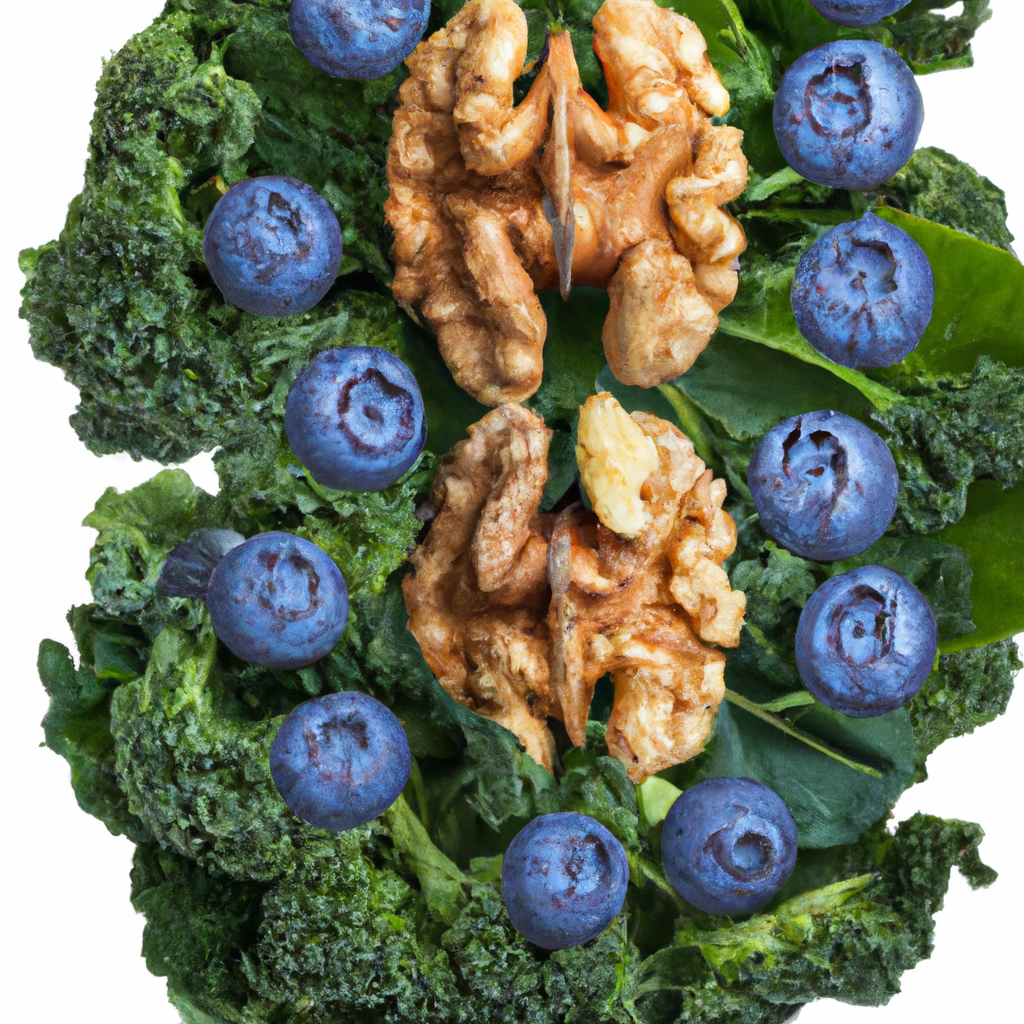
- Antioxidants found in fruits, vegetables, nuts, and seeds protect the brain from damage caused by free radicals, improving memory and cognitive function and potentially preventing or slowing down the progression of neurodegenerative diseases.
- The gut-brain connection is a bidirectional communication system, and a healthy gut microbiota is associated with better mood, reduced stress levels, and improved cognitive function. Consuming a diet rich in fibre, whole grains, fruits, vegetables, and fermented foods supports a healthy gut-brain connection and promotes mental wellness.
The Role of Macronutrients
The brain relies on the consumption of macronutrients for optimal functioning and performance. These essential nutrients, which include carbohydrates, proteins, and fats, provide the brain with the energy it needs to carry out its various functions.
One aspect of brain health that has garnered significant attention is the effect of fasting on brain health. Research suggests that intermittent fasting, a dietary practice that involves alternating periods of fasting and eating, may have beneficial effects on the brain.
Studies have shown that fasting can enhance brain function, improve cognitive performance, and protect against age-related cognitive decline.
When it comes to cognitive function, the role of sugar is of particular interest. While the brain needs glucose, a type of sugar, for energy, excessive consumption of sugar can have detrimental effects on cognitive function. High sugar intake has been associated with poor memory, impaired learning, and reduced attention span.
Additionally, a diet high in sugar can lead to inflammation in the brain, which has been linked to an increased risk of neurodegenerative diseases such as Alzheimer’s.
Essential Micronutrients for Brain Health
While many focus on macronutrients, it’s essential to recognise the critical role that micronutrients play in maintaining brain health.
Two key micronutrients that have been extensively studied in relation to cognitive function are omega-3 fatty acids and vitamin B12.
Omega-3 fatty acids, particularly docosahexaenoic acid (DHA), are essential for brain development and function. Numerous studies have demonstrated a positive correlation between omega-3 fatty acid intake and cognitive function. DHA is a major component of brain cell membranes and plays a crucial role in neuronal signalling. It helps improve mental functions such as memory, attention, and problem-solving.
On the other hand, deficiency in vitamin B12 has been linked to cognitive decline. Vitamin B12 plays a crucial role in the production of myelin, a protective sheath around nerve fibres. Without adequate levels of vitamin B12, the nervous system’s integrity can be compromised, leading to cognitive impairment. Research has shown that individuals with low levels of vitamin B12 are more likely to experience mental decline and even develop conditions like dementia.
To ensure optimal brain health, it’s essential to include these micronutrients in your diet. Consuming foods rich in omega-3 fatty acids, such as fatty fish, flaxseeds, and walnuts, can provide the necessary DHA. Additionally, incorporating sources of vitamin B12, such as meat, fish, dairy products, and fortified cereals, can help prevent deficiency and support cognitive function.
Impact of Antioxidants on Cognitive Function
Research has shown that antioxidants play a crucial role in supporting cognitive function and can build upon the discussion of essential micronutrients in maintaining brain health. Antioxidants are substances that protect the body’s cells from damage caused by free radicals, which are unstable molecules that can harm the brain and other organs.
When it comes to cognitive function, antioxidants have been found to have a positive impact in two key areas:
- Antioxidant-rich foods and memory: Studies have shown that a diet rich in antioxidants, such as fruits, vegetables, nuts, and seeds, can help improve memory and cognitive function. These foods are rich in vitamins, minerals, and phytochemicals that possess antioxidant properties, which help reduce inflammation and oxidative stress in the brain.
- Antioxidants and age-related cognitive decline: As we age, cognitive decline becomes more common. However, research suggests that antioxidants can help slow down this decline. Antioxidants help protect brain cells from damage, improve blood flow to the brain, and reduce inflammation, all of which can contribute to better cognitive function in older adults.
- Antioxidants and neurodegenerative diseases: Neurodegenerative diseases, such as Alzheimer’s and Parkinson’s, are characterised by the progressive loss of brain cells. Antioxidants have been found to have neuroprotective effects, helping to prevent or slow down the progression of these diseases.
- Antioxidants and overall brain health: By reducing oxidative stress and inflammation in the brain, antioxidants contribute to overall brain health. They support the production of new brain cells, enhance communication between brain cells, and improve cognitive function.
Incorporating antioxidant-rich foods into your diet can have a positive impact on memory, cognitive function, and brain health, especially as you age.
Gut-Brain Connection and Mental Wellness
Incorporating antioxidant-rich foods into your diet can have a positive impact on memory, cognitive function, and brain health, especially as you age. This discussion extends further into the subtopic of the gut-brain connection and its influence on mental wellness.
The gut-brain connection, also known as the gut-brain axis, is a bidirectional communication system between the gastrointestinal tract and the brain. A complex network of nerves, hormones, and chemicals facilitates this connection. Research in the field of nutritional psychiatry has shown that the health of our gut microbiota, comprising trillions of microorganisms residing in the digestive system, plays a crucial role in our mental well-being.
Studies have shown that imbalances in the gut microbiota, known as dysbiosis, can contribute to various mental health conditions such as depression, anxiety, and even neurodevelopmental disorders like autism. On the other hand, a healthy gut microbiota has been linked to improved mood, reduced stress levels, and enhanced cognitive function.
The gut microbiota produces a wide range of neurotransmitters, including serotonin, dopamine, and gamma-aminobutyric acid (GABA), which are essential for regulating mood and behaviour. Furthermore, the gut is involved in the production and absorption of various nutrients, vitamins, and minerals that are vital for brain health.
To support a healthy gut-brain connection and promote mental wellness, it’s essential to prioritise a diet rich in fibre, whole grains, fruits, vegetables, and fermented foods. These foods provide the necessary nutrients and promote a diverse and balanced gut microbiota. Additionally, reducing the intake of processed foods, artificial sweeteners, and alcohol can also contribute to a healthier gut and improved mental well-being.
The Importance of Hydration for Brain Function
The gut-brain connection’s influence on mental wellness extends to the importance of hydration for optimal brain function. Hydration plays a crucial role in maintaining cognitive performance and memory. Here are four reasons why staying hydrated is essential for your brain:
- Hydration and Memory: Dehydration can impair memory and cognitive function. Studies have shown that even mild dehydration can lead to decreased memory, attention, and reasoning abilities. Adequate hydration, on the other hand, has been linked to improved memory and cognitive performance.
- Dehydration and Cognitive Performance: When the body is dehydrated, it can negatively impact cognitive performance. Dehydration can lead to reduced concentration, slower reaction times, and impaired decision-making skills. Maintaining proper hydration levels is therefore vital for optimal mental functioning.
- Brain Volume and Hydration: Maintaining adequate hydration helps preserve optimal brain volume. When the body lacks sufficient water, brain cells can shrink, resulting in a decrease in overall brain volume. This can affect various cognitive functions, including memory, attention, and problem-solving abilities.
- Hydration and Brain Energy: The brain requires a constant supply of energy to function optimally. Dehydration can disrupt this energy supply, impairing brain function. Staying hydrated ensures that the brain receives the necessary nutrients and oxygen it needs to function optimally.
Conclusion
In conclusion, our brain is a complex and delicate organ that relies on proper nutrition to function optimally.
Just as the food we consume affects our physical well-being, it also has a significant impact on our cognitive abilities and mental wellness.
By understanding the role of macronutrients, essential micronutrients, antioxidants, and the gut-brain connection, we can make informed choices to support our brain health.
Let’s nourish our minds with wholesome foods, symbolising the nourishment of our intellect and overall well-being.

